
Well Being
20 June 2026 2026-11-02 11:16Well Being
Student wellbeing · From Early Years to Grade 12
Known. Valued. Ready to flourish.
At Candor, wellbeing is taught, practised and protected. Through positive education, trusted relationships and responsive support, students develop the knowledge and habits to navigate challenge, connect with others and live well.
Our approach
Wellbeing is how students learn, belong and grow.
Wellbeing is more than feeling happy. It includes the skills to understand emotions, build healthy relationships, respond to difficulty, make responsible choices and pursue meaningful goals.
We take a whole-school approach. Students learn wellbeing explicitly, experience it through everyday interactions, and know where to seek help when they need it. Academic growth and wellbeing reinforce one another: students are more able to engage, take appropriate risks and persevere when they feel safe, connected and understood.
We do not wait for a problem before teaching students how to care for themselves and others.
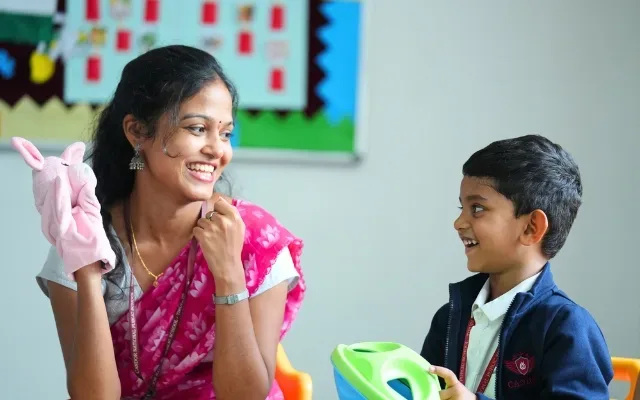
A whole-child framework
Learning to live well.
Our wellbeing programme develops practical capabilities students can use at school, at home and throughout life.
Emotional
Recognising emotions, regulating responses, managing stress and knowing when to ask for help.
Social
Building positive relationships, communicating with empathy and resolving difficulties respectfully.
Physical
Making healthy choices about movement, rest, nutrition, safety and everyday routines.
Purposeful
Understanding strengths, setting meaningful goals, contributing to others and developing hope.
Positive Education
A curriculum for flourishing.
Candor uses the Positive Education Enhanced Curriculum, developed from more than a decade of Positive Education experience at Geelong Grammar School in Australia.
PEEC brings research from positive psychology into practical, age-appropriate learning. Weekly lessons give students a shared language and strategies they can apply beyond the classroom. Teachers use three modes—discover, participate and experiment—so students do more than learn definitions: they practise wellbeing.
Everyday wellbeing
A curriculum lived across the school.
Formal lessons matter, but culture is built through repeated daily experiences. Wellbeing is reinforced wherever students learn, play, lead and connect.
Homeroom & pastoral care
Regular check-ins create a consistent point of connection. Teachers notice changes, support transitions and help students reflect on relationships, learning and personal goals.
Belonging & student voice
Leadership, service, clubs, sport and the arts help students find their people, contribute meaningfully and develop confidence through participation.
Healthy choices
Age-appropriate learning supports physical health, digital wellbeing, responsible decision-making, respectful relationships and personal safety.
Need-based life skills and wellbeing sessions
Alongside the planned PEEC curriculum, we respond to the developmental needs of each age group and to emerging needs within the school community. Sessions are practical, age-appropriate and shaped by what students need at that time.
Accessing wellbeing support
Students do not have to manage concerns alone.
Students may seek support themselves or be referred by a teacher or another member of the school community. A need may also be identified through classroom observations, regular check-ins or discussion with parents.
A need is identified
The student speaks up, an adult notices a change, or a parent shares a concern.
A trusted adult listens
The concern is heard sensitively and the most appropriate next step is considered.
A proportionate response
Support is matched to the student’s age, situation and level of need.
Follow-up and monitoring
Progress is checked and support is adjusted or concluded as appropriate.
Classroom strategies
Practical adjustments and routines may help a student feel secure, regulate emotions, participate and reconnect with learning.
Guidance and individual sessions
Support may include guidance for teachers and parents or individual wellbeing sessions with a counsellor or appropriate member of staff.
Coordinated follow-up
Homeroom teachers, grade leaders, counsellors, school leaders and families may work together to monitor progress and maintain clear communication.
Wellbeing support is not an emergency service. Where there is an immediate risk to a child’s safety, families should contact local emergency services and inform the school as soon as possible.
Family partnership
Parenting is important work. No family has to navigate it alone.
Candor’s Wellbeing Coordinator has created the Parent Playbook: a growing collection of thoughtful, practical articles on challenges many families experience. It is not a set of instructions on how to parent. It is a place to pause, reflect, find fresh perspectives and remember that other families are navigating similar questions.
- Practical ideas grounded in empathy and understanding
- Topics connected to children’s wellbeing and family life
- New articles alongside an archive of earlier resources
Together, We Build a Future
Practical perspectives for parents and guardians
Parent Playbook
Short, practical articles for the parenting questions families encounter.
Read articlesParent Handbook: Child Development
Explore key developmental stages and practical strategies families can use at home to support children as they grow.
Read the handbookSafeguarding
Every adult shares responsibility for student safety.
Candor is committed to protecting students from harm and creating an environment in which they are respected, heard and taken seriously.
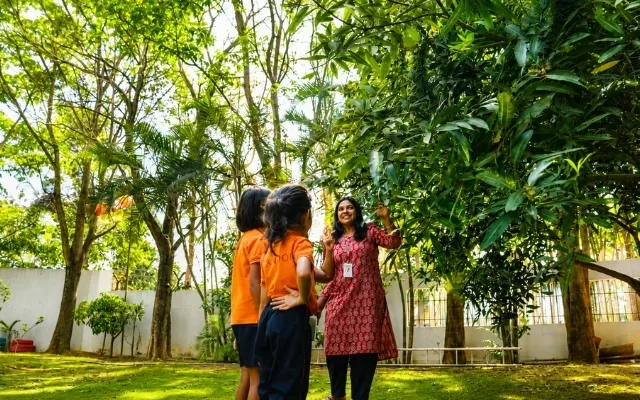
Prevention
Clear expectations, professional boundaries, staff training and age-appropriate learning help create a safe culture.
Reporting
Students and adults are encouraged to raise concerns promptly with a trusted member of staff or the school’s safeguarding team.
Response
Concerns are documented, assessed and acted upon through established procedures, with confidentiality maintained on a need-to-know basis.
Partnership
The school works respectfully with families and appropriate professionals while keeping the child’s safety and welfare central.
Parent questions
What families often ask.
How is wellbeing taught?
Students participate in developmentally sequenced PEEC learning from Early Years to Grade 12. Wellbeing is also reinforced through homeroom, pastoral care, co-curricular activities, student leadership and daily classroom practice.
What should I do if I am concerned about my child?
Contact your child’s homeroom teacher or the relevant school leader. They can listen, gather appropriate information and connect your child with counselling, health or safeguarding support when needed.
Is counselling confidential?
Counsellors respect students’ privacy and share information carefully. Confidentiality cannot be absolute where there is a concern about safety or a legal or safeguarding responsibility to act.
How does the school involve parents?
We value timely, respectful communication and work with families when a concern arises. The Parent Playbook provides practical articles on issues families encounter, while the Parent Handbook: Child Development explains developmental stages and strategies parents can use at home.
What is the difference between wellbeing and safeguarding?
Wellbeing is the broader work of helping students develop the skills, relationships and conditions to flourish. Safeguarding focuses specifically on preventing and responding to risks of harm.
Strong relationships help students thrive.
Learn more about life at Candor, speak with our Admissions team or use our family resources for practical guidance and support.
Our Positive Education approach is informed by the Positive Education Enhanced Curriculum and Geelong Grammar School’s evidence-based work in Positive Education.