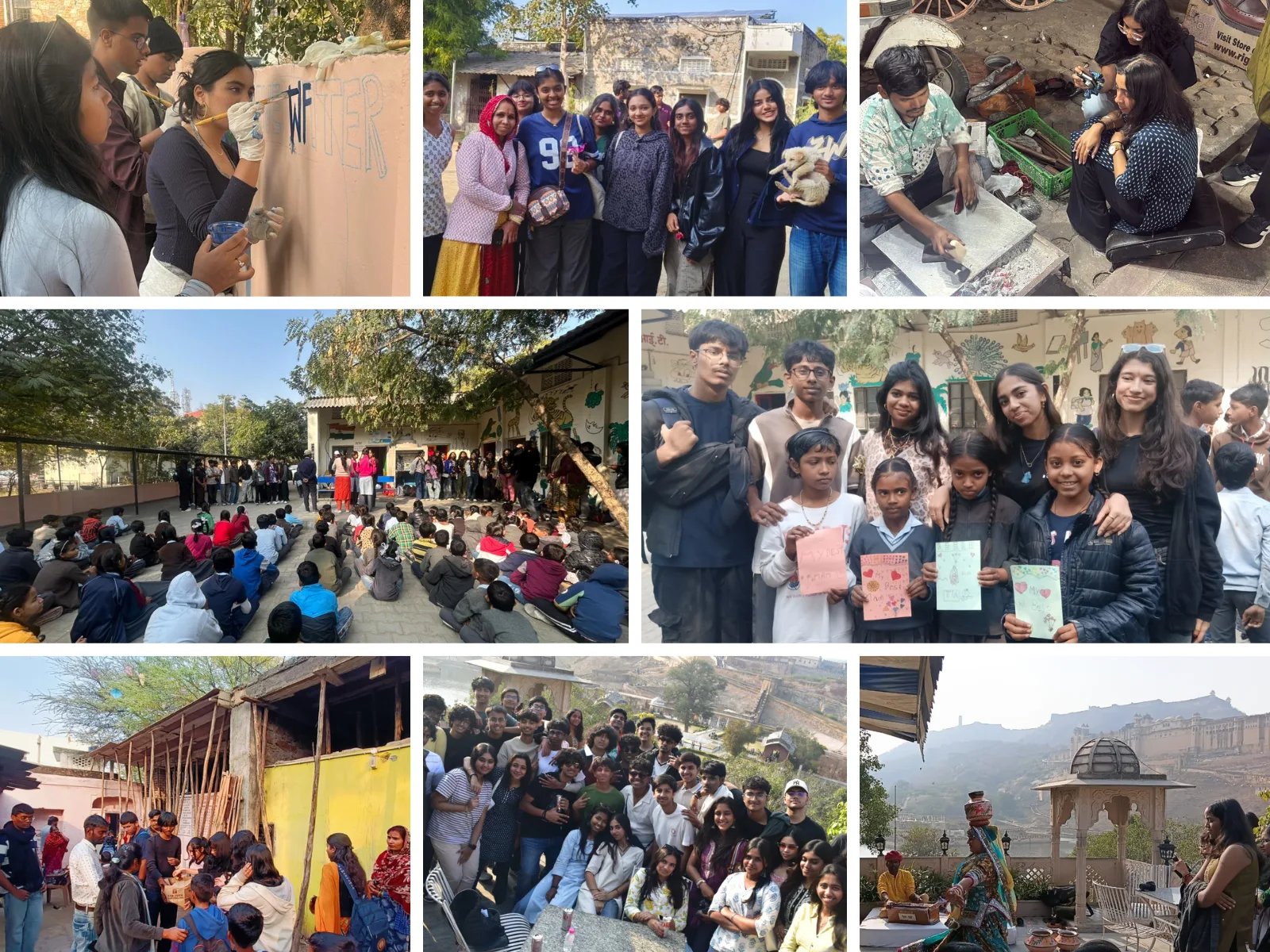
On the day we arrived in Jaipur we landed early in the morning and were greeted by a stunning sunrise. After collecting our luggage at the airport, we boarded two buses that transported us to our accommodation. The journey gave us our first glimpse of Jaipur’s lively streets and vibrant atmosphere. When we reached the hotel, our rooms were not yet ready, so we gathered together and were given a short informative orientation. During this session, we were introduced to the schedule and activities planned for the next four days, which helped us understand what to expect for the exciting experiences ahead. After we all got out rooms we were given sufficient time to rest and freshen up before we go out. Later in the afternoon, we visited the Garh Rooftop Restaurant, where we enjoyed a variety of rich multicuisine dishes while taking in the breathtaking views of Jaipur’s famous Pink City. After lunch, we continued our journey by exploring the historical and cultural heritage of Jaipur. We visited the Jantar Mantar astronomical site, where we learned about the 19 remarkable astronomical instruments built by the Rajput king Sawai Jai Singh the founder of Jaipur, Rajasthan. Later In the evening, we explored the lively night street markets near Hawa Mahal, where we gained insight into the local economy. Many of us also purchased souvenirs and jewellery. Afterward, we made our way back to the hotel, admiring the mesmerizing nightlife of the Pink City along the way. Once we arrived we enjoyed a warm dinner bringing our eventful day to a pleasant end.
From this day we learnt how culture, history, and daily life are connected in Jaipur. At Jantar Mantar, we learned about India’s advanced scientific knowledge, while exploring markets near Hawa Mahal revealed how artisans and tourism sustain the local economy.
JAN 22ND (DAY 2):-
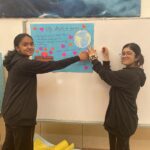
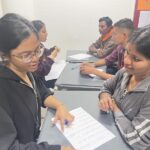
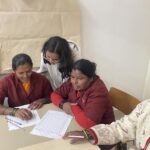
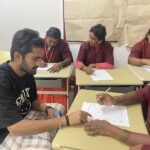
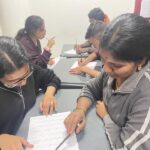
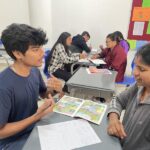
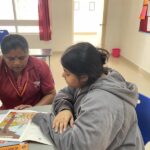
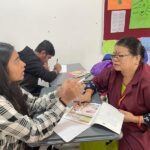
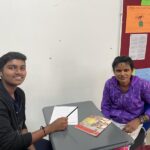
On this day, we set off to a partner government school for a full day of intensive community service. We were divided into two sub groups – each group was instructed to teach the students and paint their school walls simultaneously. Prior to this day, we made an effective plan where the students who were going to teach in the morning session will paint in the evening session and vice versa. To our delight, we were warmly welcomed with flower garlands, a religious thread tied to our wrists, along with a tikka on our foreheads. We joined the students’ school assembly which was quite different and unique from our assemblies. After seeking God’s blessings, we began our service. The students who were teaching were divided in pairs, each pair consisting of one hindi speaker and one non-hindi speaker. Each pair chose a grade they wanted to teach and were free to choose any educational subject/topic to enlighten them with. We had planned out various fun activities in order to make their learning as interactive and productive as possible with lots of games, quizzes and prizes. Meanwhile the painting batch put their artistic minds and skills together to decide the designs and sketches for the classroom and pillars that we were going to fill with bright colours and creative art works. Although we did face challenges such as the clustered environment, a certain type of language barrier, limited resources and time constraints, with collaboration, perseverance and commitment we were able to accomplish our target goals of the day. This experience has not only taught us the importance of teamwork and patience but also taught us to always be humble, hardworking and grateful for the opportunities we are given.
JAN 23RD (DAY 3):-
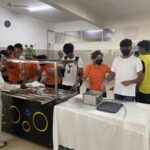
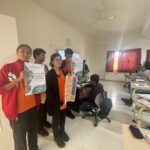
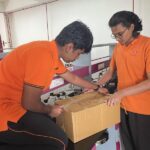
For day 3, we took a long bus trip to a place in Tilonia to work with a non – profit organization at the Barefoot college. First, there was an introductory session which is the part of the experience focused on learning and understanding, where we met the Solar Mamas and listened to their personal journeys and transformations. Through their stories, we developed a deeper understanding of the global impact of solar energy, particularly how electrifying villages can significantly improve quality of life. We also learned the basic principles of solar technology and observed advanced solar training sessions, which helped us appreciate the skills involved. After the informative session, it was our turn to demonstrate our willingness to learn. We participated in a hands-on workshop, working alongside the Solar Mamas to assemble solar lanterns. We learned about installation and maintenance techniques, conducted quality testing and troubleshooting, and packaged the lanterns for distribution to communities. Initially we may have faced some difficulties understanding all the components of the solar lamp and the order in which the several components were assembled as it was an unfamiliar process for us. However with the guidance of the solar mamas, we were able to turn by turn transform the parts into a fully functioning solar lamp which we all were very proud of. We were also shown a video of how the Barefoot College was founded and even taken to a puppet room where the puppeteer gave us great knowledge about the craft and design that goes into making the puppets and how they are used as entertainment in many villages. After taking some pictures with our lamps, the people, the campus and some adorable puppies, we enjoyed a simple lunch in the area. Lastly, we took a look around a beautiful anticraft shop which was filled with traditional clothes, books and other home and fancy decorative items. This experience has taught us that making a change in a society no matter where a person is from or who the person is can be done by anyone and everyone as long as they are willing to learn and work for it.
24TH JAN (DAY 4):-
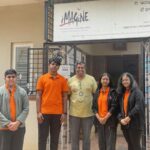
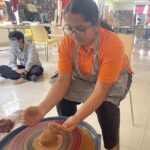
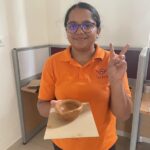
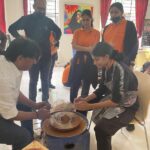
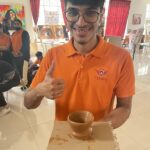
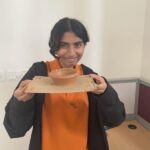
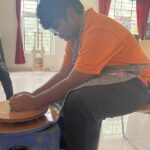
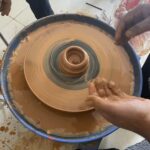
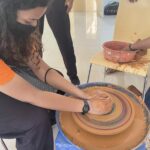
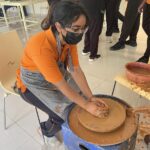
After having breakfast and checking out of the hotel we headed to the Indian Institute of Crafts and Design. There, we took part in pottery and block printing workshops which gave us the opportunity to learn about traditional and sustainable crafts in a traditional manner. We were split into two groups where 1 group would do pottery when the other group was doing block printing,this way we had an organized session. We also gained a deeper understanding of how these crafts support the livelihoods of local artisans and how passionate they are. Even though many of us weren’t artistic the mentors there guided us throughout the session making it fun. Through these hands-on activities we were able to develop basic traditional craft skills and learn about the importance of preserving traditional knowledge systems and sustainable ways of living. After completing the workshops, we had lunch and then prepared for our departure, bringing our educational and enriching experience to an end.
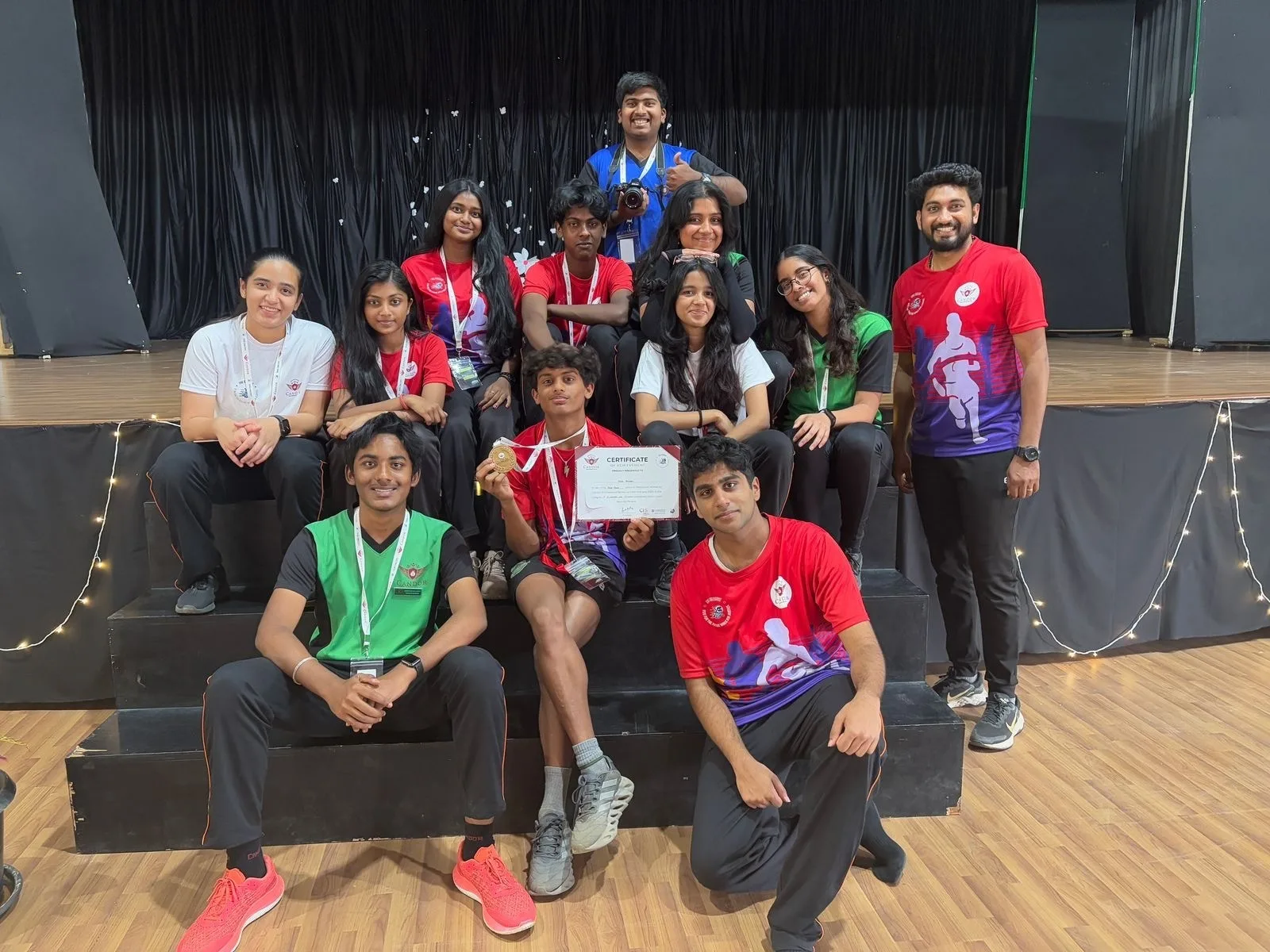
The event featured a 1 km walk and 3 km walk/run, with cyberthreat awareness stations placed every 100 meters, covering a total of 30 key cybersecurity risks. Each checkpoint had informative multilingual posters highlighting different cyber threats, ensuring that participants not only engaged in a physical activity but also gained essential knowledge about online safety.
Following the race, the Assistant Commissioner of Police delivered an insightful presentation on cybersecurity threats and best practices, providing real-world examples to emphasize the importance of digital safety. I was the Chief Event Organizer and Head of Operations of this event, spearheading the organising committee and the event concluded with a talk by the organizing committee, reinforcing key takeaways and encouraging proactive cybersecurity measures. Cybersecurity is a major global issue in the current context, so through coordination with the rest of my peers, and more than 2 months of planning, designing, and organising, I aimed to develop my leadership skills, as well as my design and coordination abilities.
With over 350 participants, including students (Grades 1–12), parents, and staff, “The Circuit” aimed to successfully combine fitness and education to create a lasting impact on our school community.
Our goal was to educate students, parents, and staff on various cyber threats, safe online practices, and the importance of cybersecurity in daily life and to use an interactive approach—combining a physical run with cybersecurity knowledge—to make learning more impactful and memorable. We also wanted to involve a diverse audience to ensure cybersecurity awareness extends beyond students to families and faculty, fostering a safer digital environment for all.
Student reflection:
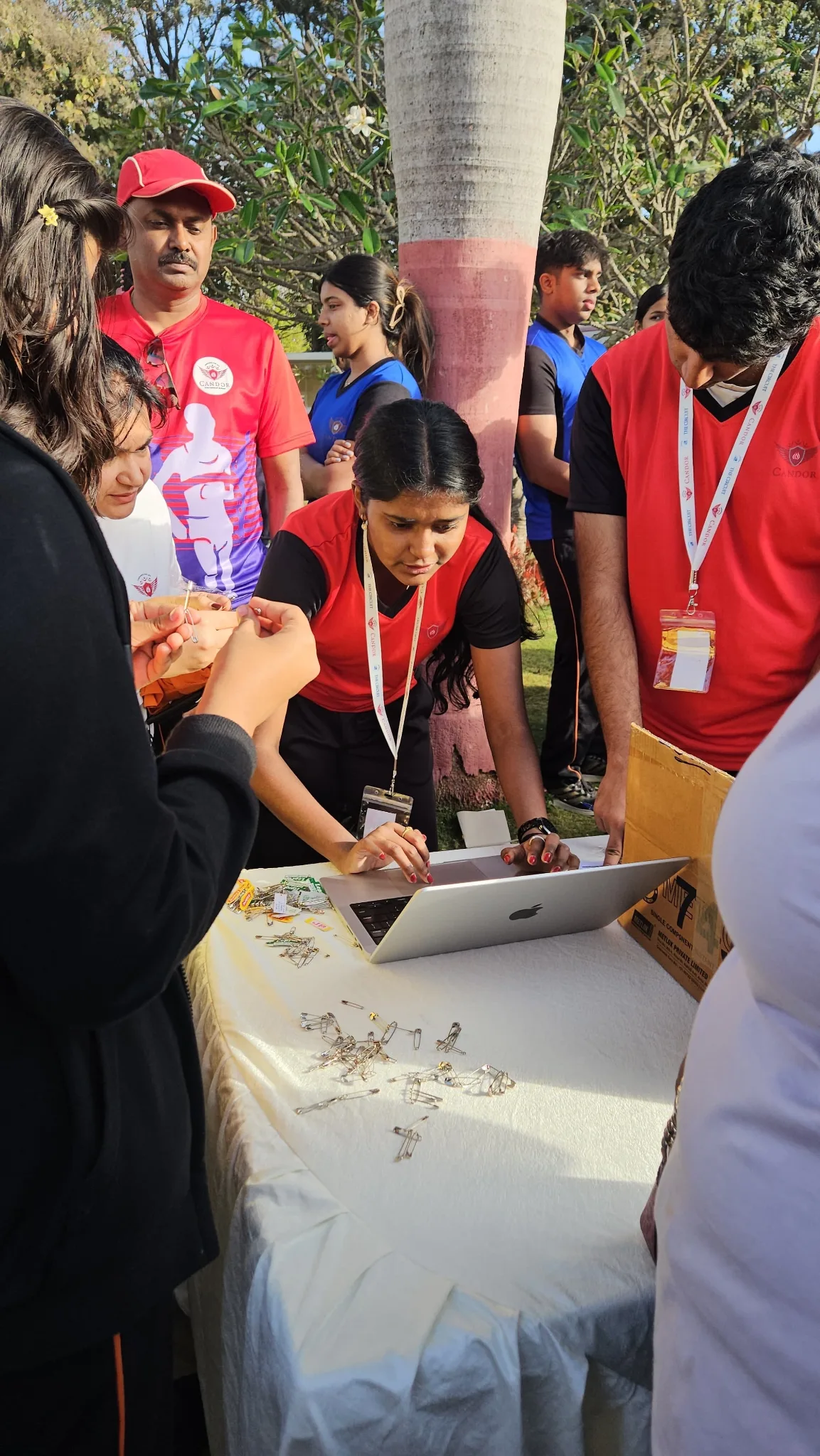
Organizing “The Circuit” was an incredibly fulfilling experience that challenged me to blend creativity, leadership, and awareness-building into a single initiative. My primary goal was to promote cybersecurity awareness in an engaging way, and I believe this project successfully accomplished that by incorporating both physical activity and education. Seeing over 350 participants—students, parents, and faculty—actively engage in the event reinforced my belief that learning can be both interactive and impactful. The logistics of this event that I had to take care of was huge, including managing and coordinating registrations, sports exercises, route management, coordination with police officials, designing ID cards, certificates, t-shirts, etc.
One of the most rewarding moments was watching participants pool in during the registration on the morning of the event. It was evident that the Run was sparking curiosity and enthusiasm and encouraging thoughts about cybersecurity, which was exactly what I had hoped for. Additionally, the presentation by the Assistant Commissioner of Police provided real-world insights, making the issue of cyber safety more tangible and urgent for everyone present.
Throughout the planning process, I was learning valuable skills in event coordination, teamwork, and problem-solving. Managing logistics for such a large-scale event was challenging, and there were moments when I felt overwhelmed, especially when ensuring that all the water and first aid stations were set up correctly and that the event ran smoothly. However, by delegating tasks effectively and maintaining a clear vision, I was able to overcome obstacles and execute the event successfully.
One key takeaway from this experience was understanding the power of community engagement. Cybersecurity is often perceived as a complex, technical topic, but through “The Circuit,” I was able to demonstrate that awareness can be made accessible and engaging for all age groups. The post-event feedback was incredibly positive, with many participants mentioning that they felt more aware of online threats and would take active steps to stay safer online.
Looking ahead, I hope to build on this experience by organizing more initiatives that merge education with interactive formats. Cybersecurity awareness is an ongoing process, and I am eager to find new ways to keep the conversation alive within my school and beyond. This project reaffirmed my belief that one event can ignite awareness, but continuous efforts are needed to sustain meaningful change.
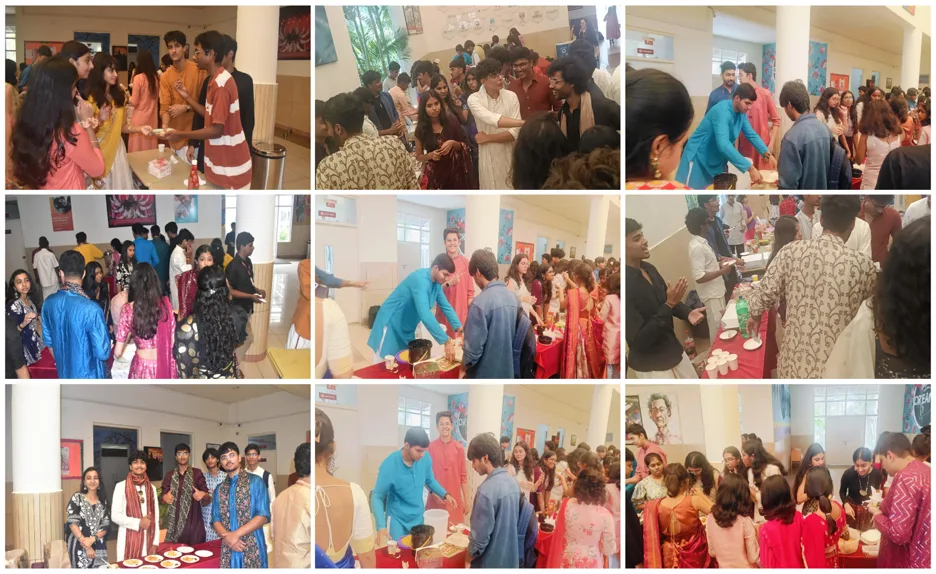
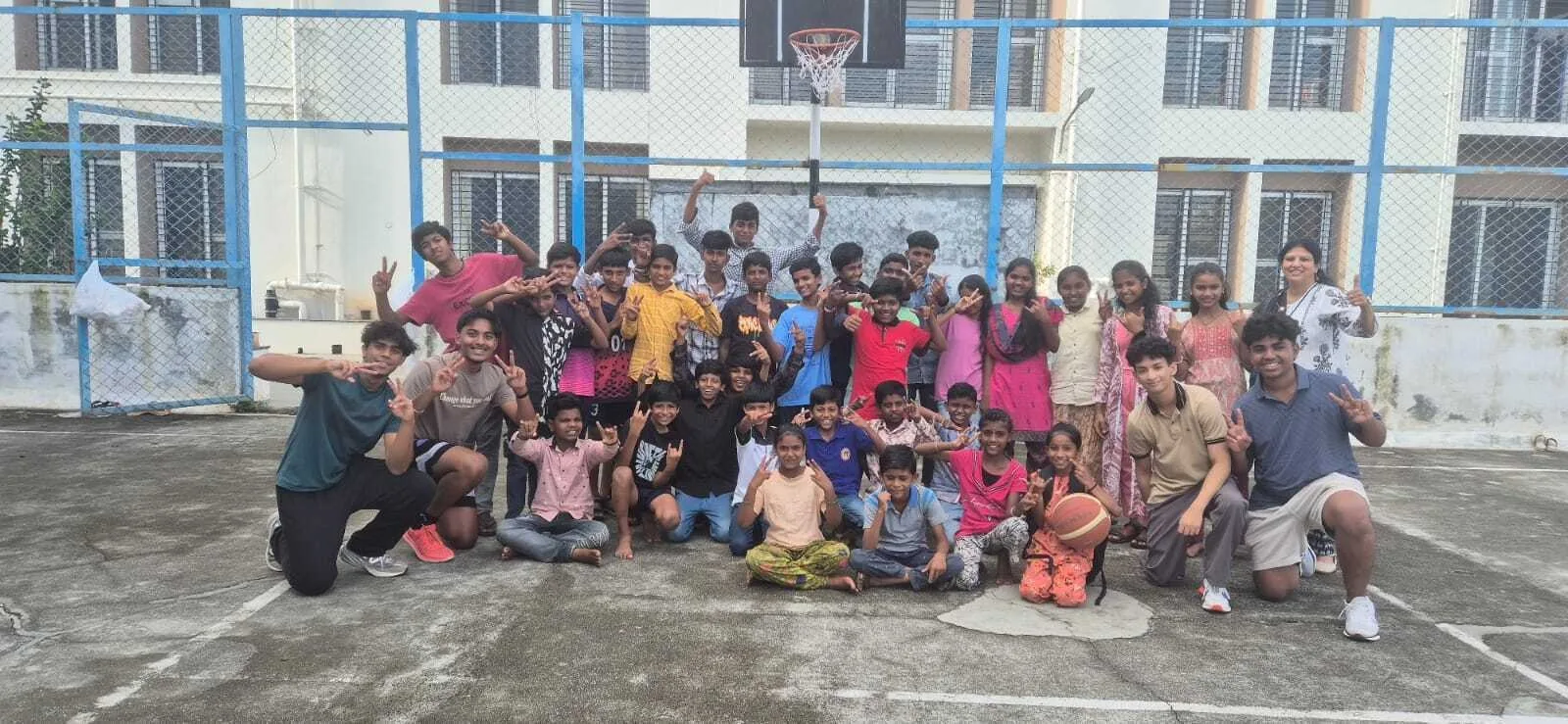
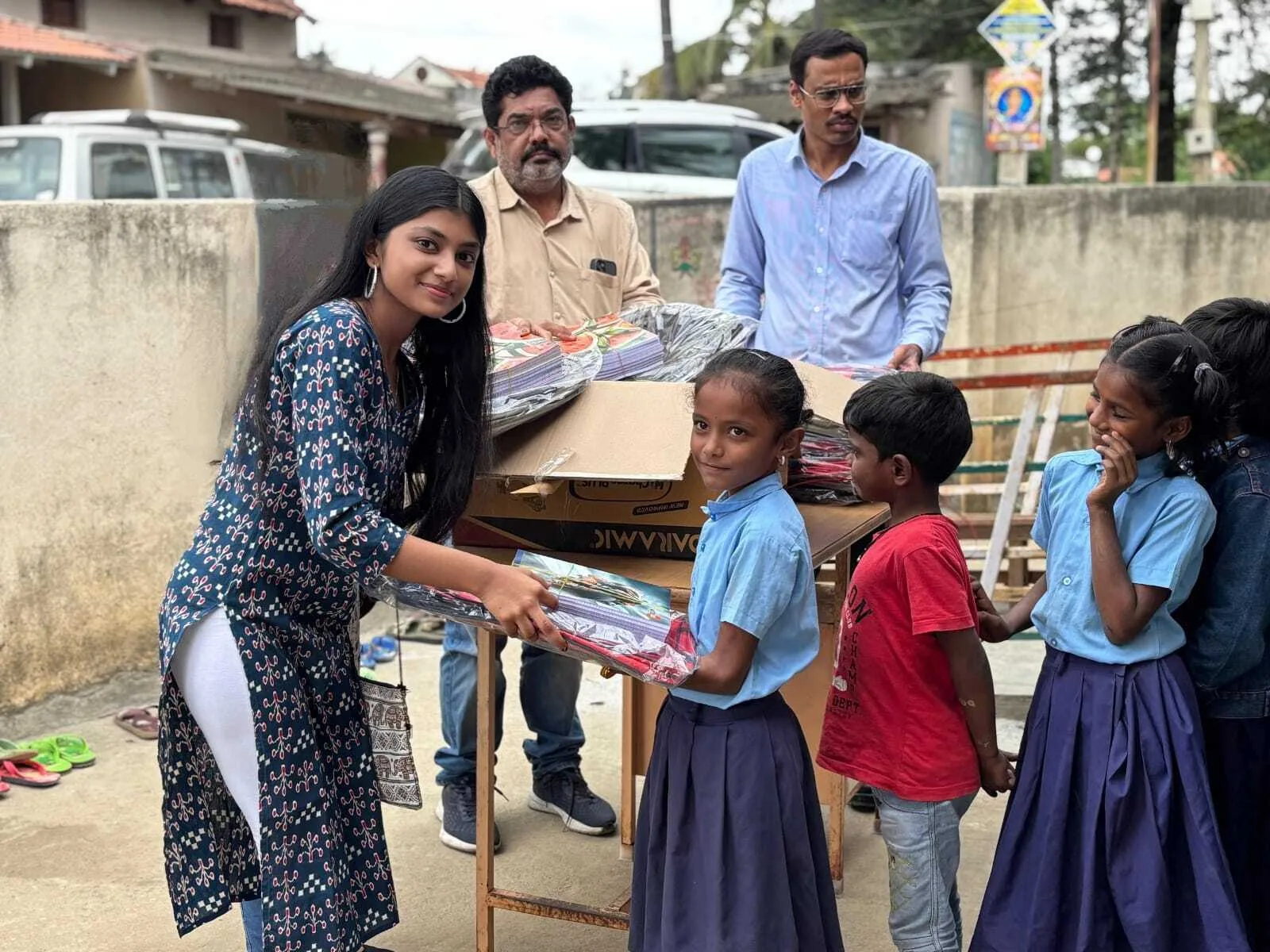
When the moment came to cut my hair, I felt a mix of emotions. Watching something so personal and familiar fall away was unexpectedly emotional, but I also felt fulfilled knowing that it would soon become part of a wig that could bring hope and reassurance to someone going through a difficult journey. This experience allowed me to step into someone else’s reality and think beyond my own perspective.Through this process, I developed greater compassion and recognized the value of selflessness. I learned that giving back to the community doesn’t always require large-scale efforts; sometimes small, personal contributions can make a meaningful difference in someone’s life. This act of service reminded me of the importance of empathy and reinforced my desire to continue participating in initiatives that bring dignity, comfort, and hope to others.Overall, donating my hair was a powerful reminder that kindness, even in simple forms, can create a positive ripple effect. It has inspired me to stay engaged in service and to keep looking for ways to support people who are facing challenges.
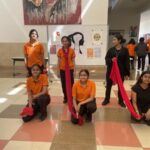
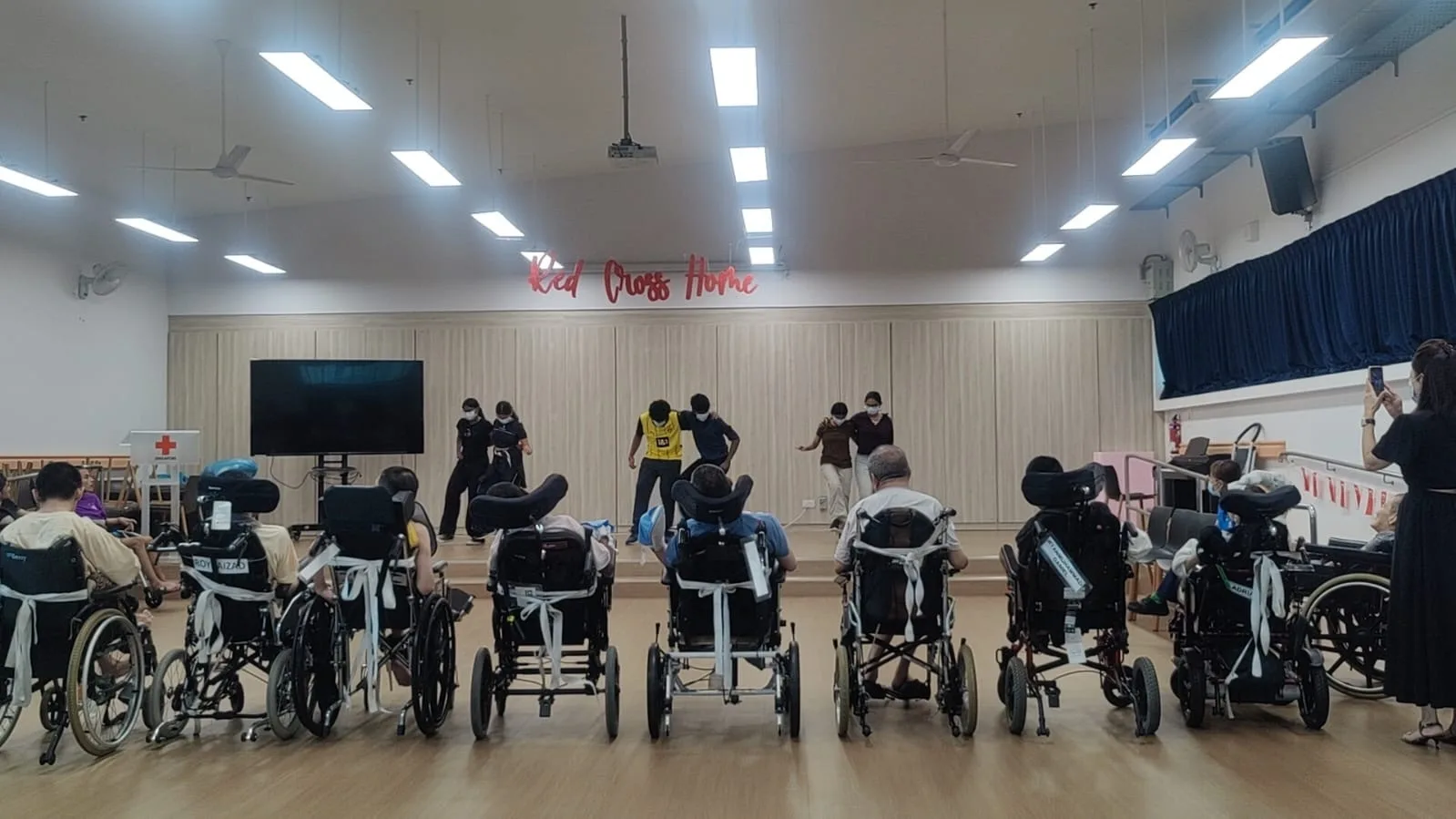
The activity itself felt heartwarming and meaningful because it wasn’t just about “helping”, it was about sharing time, culture, music, and joy. Dancing and singing together made me see how people, despite differences in language, ability, or background, can connect so easily when the focus is on happiness. This activity meant more than a single visit; it was a chance to step into their world and learn to empathize with experiences very different from my own. It also showed me the importance of institutions like the Red Cross, which create spaces where dignity and care are prioritised.
The value of this activity lies in the reminder that even small gestures can carry deep significance. I learned that presence, patience, and empathy often matter more than grand actions. More broadly, this taught me to slow down and pay attention to people around me, especially those who are often overlooked. It made me realise that giving time, listening, and sharing laughter are lessons I can carry into every part of my life, with friends, family, and even strangers.
One of the most valuable aspects was learning to communicate clearly, there was an added challenge of a language barrier. I paid attention and attempted to communicate in the local language.
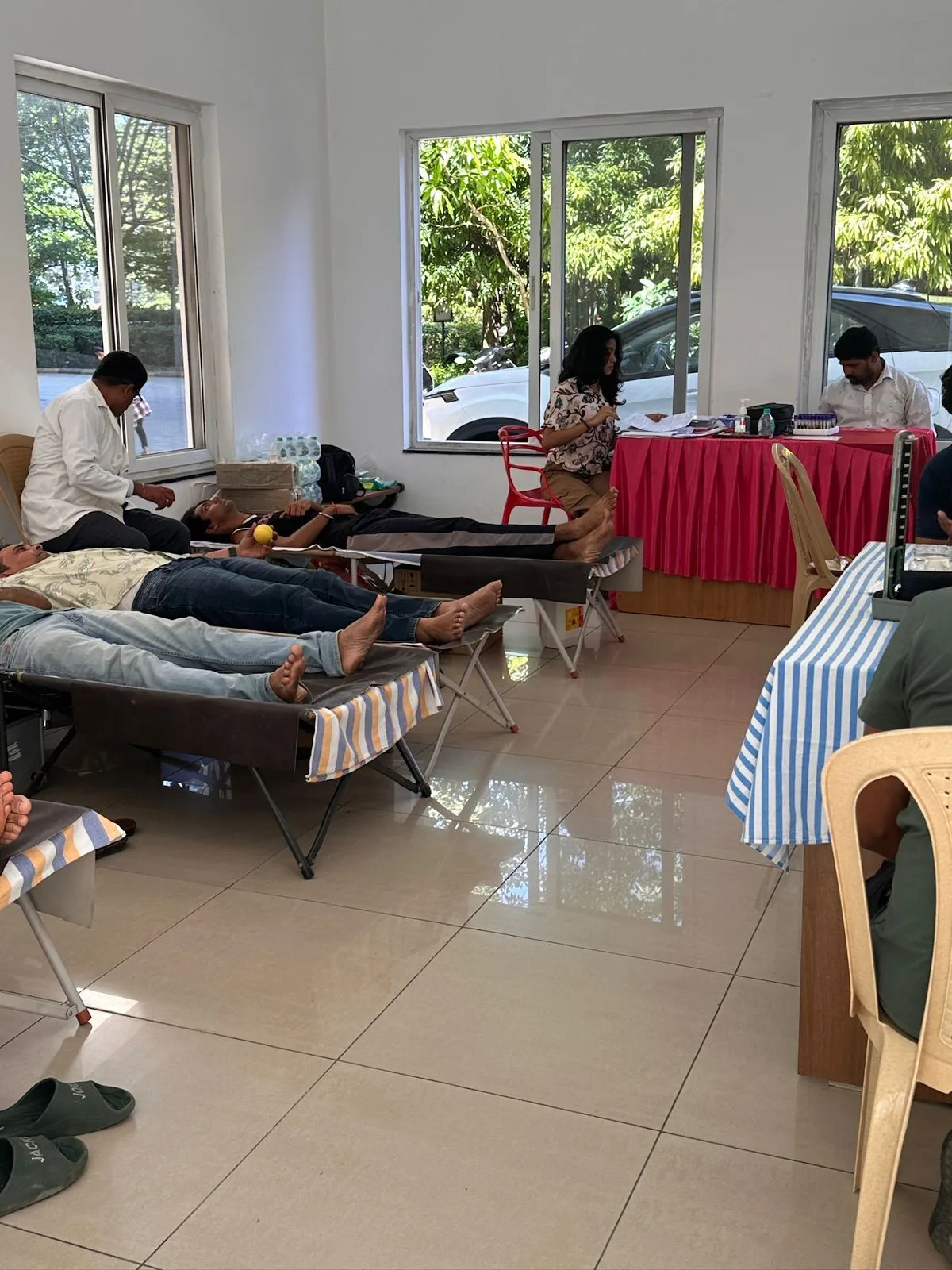
Beyond skill development, the experience reminded me of the power of community engagement. Seeing people come together to help save lives reinforced my belief in collective responsibility for public health. Understanding the ethics behind donating blood was something I fully realised during this blood donation drive. This experience taught me compassion and kindness for the less fortunate.
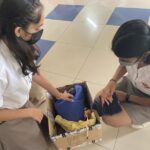
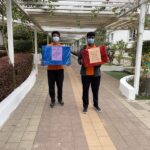
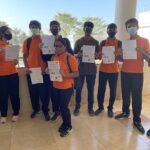
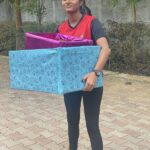
The IBDP students started planning the event two months in advance. They worked together to come up with ideas for sports activities and organised cultural events. They also, made “Thanks you” cards, gifts, and lunch that would make the day memorable for the staff. The students were divided into committees, with each group responsible for a different aspect of the celebration. One committee focused on decorations, another on refreshments, and another on entertainment.
On the day of the event, the school was abuzz with excitement. The students had decorated the school with colourful banners, streamers, and balloons, creating a festive atmosphere. The students had even arranged for beverages and snacks to be served during the sport events
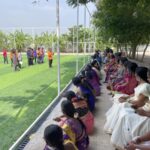
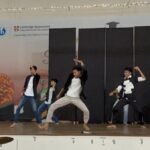
The staff members were touched by the students’ efforts to show their appreciation. As part of the entertainment, the students had organized a talent show, featuring performances from both staff and students. There were singing and dancing, which brought a lot of smiles to everyone’s faces. The IBDP students also presented a heartfelt speech, expressing their gratitude for the staff’s hard work and dedication.
The Labour Day celebration organized by the IBDP students was a huge success. It was a wonderful opportunity for the students to show their appreciation for the staff, and for the staff to feel recognized and valued. The event was not only a great way to give back to the school support staff community, but it was also an enriching experience for the students, who learned about teamwork, leadership, and community service.
In conclusion, the Labour Day celebrations organized by the IBDP students were a perfect example of how students can use their creativity, activity, and service skills to give back to their school community. It was an inspiring event that left a lasting impression on everyone involved.